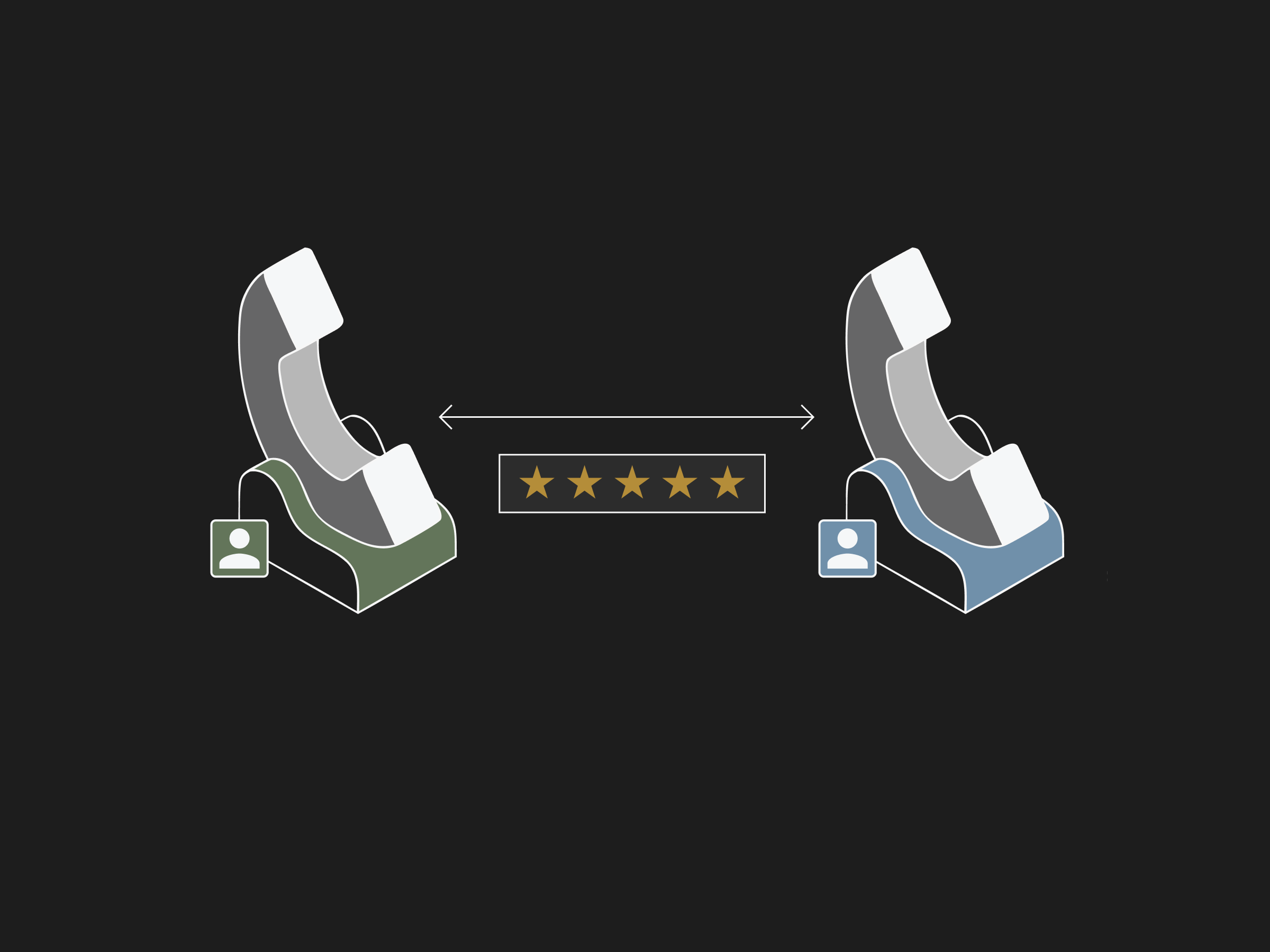
You win a peer-to-peer review by walking in prepared: know the exact denial reason, know the plan's medical-necessity criteria for the service, and lead with the clinical facts that show the patient meets them. The call is short, so the ordering physician should open with the diagnosis, the treatments already tried and failed, and why the requested service is the appropriate next step, then map each point to the plan's own language. Preparation is the variable you control, and it separates a successful review from a wasted one, a theme the hospitalist guidance on winning peer-to-peer conversations returns to repeatedly. A P2P is also fast to resolve, so it is usually worth attempting before a longer formal appeal. Below is a prep checklist, a call script, the evidence that tends to work, and the next step if the denial holds.
How do you prepare for a peer-to-peer?
Prepare by assembling one packet before the call: the patient chart, the written denial reason, the plan's medical-necessity policy for the exact service, and the clinical evidence that ties them together. Note the failed or contraindicated alternatives, because most criteria require you to show that a less intensive option was tried or is inappropriate. Confirm which physician will take the call and that it is scheduled inside the payer's window, since large plans such as UnitedHealthcare, Aetna, and Cigna, along with Medicare Advantage and Medicaid managed-care plans, commonly allow only 24 to 72 hours. Write a three-sentence clinical summary the physician can lead with, so the strongest facts land in the first minute. The AMA's guidance on effective peer-to-peer talks reinforces that a focused, criteria-mapped case is more persuasive than a general appeal to clinical judgment.
Want this mapped against your own call and claim volume? Book a 30-minute audit
What do you say on the call?
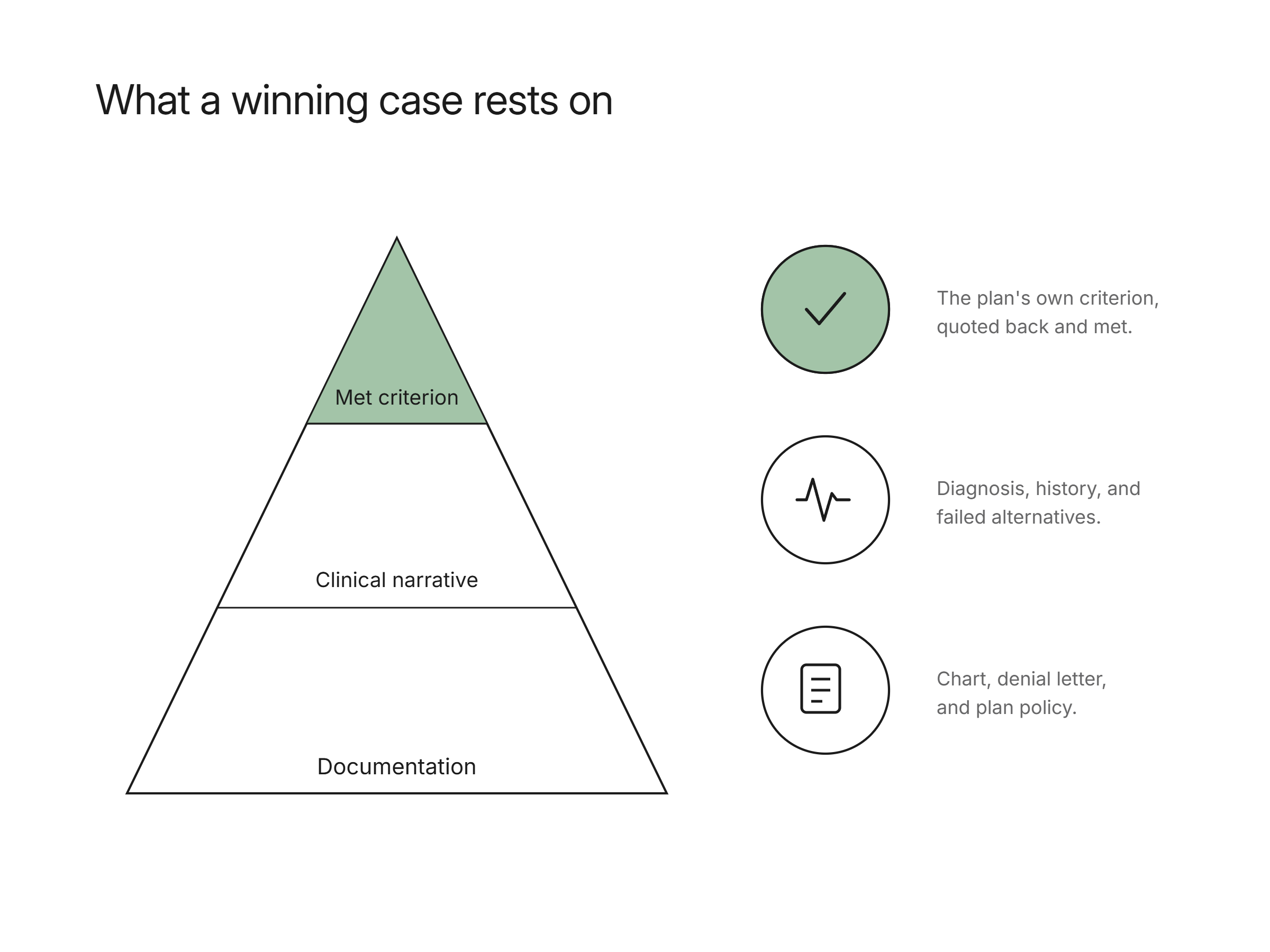
Open by stating the patient, the requested service, and the denial reason, so both sides are working from the same case. Then give a tight clinical narrative: diagnosis, relevant history, the alternatives already tried and why they failed, and the specific plan criterion the request satisfies. Quote the plan's own policy language when you can, because it moves the conversation from opinion to their documented standard. Ask directly whether the reviewer needs any additional documentation to approve, and if the answer is no, ask for the approval or the specific criterion that is unmet. A practical walkthrough of this flow appears in a revenue-cycle guide to peer-to-peer appeals. Keep the tone collegial and factual; the reviewer is a physician, and a clean clinical argument travels further than pressure.
Much of the outcome is settled before the call, by which records the physician has in front of them. Flexbone assembles that record from the chart and schedules the call, and the physician makes the case. See prior authorization automation.
See what AI can run at your facility. In a 30-minute audit we map the calls, eligibility, and follow-ups Flexbone can take off your team first.
Book an auditWhat evidence tends to win?
The evidence that tends to win is specific, documented, and tied to the plan's stated criteria rather than to general appropriateness. Chart notes showing failed first-line therapy, imaging or lab results that establish severity, and guideline references that match the plan's policy carry more weight than a summary assertion of medical necessity. A structured, well-documented case also raises the odds well before the call, because the reviewer can see the criteria being met point by point. The payer-relations guidance on peer-to-peer reviews emphasizes matching your documentation to the plan's medical-necessity language, which is exactly where thin requests get denied. In the engagements we run, the requests that clear a P2P are usually the ones where the failed-alternatives history was already in the chart, not reconstructed on the phone.
What happens if the P2P is denied again?
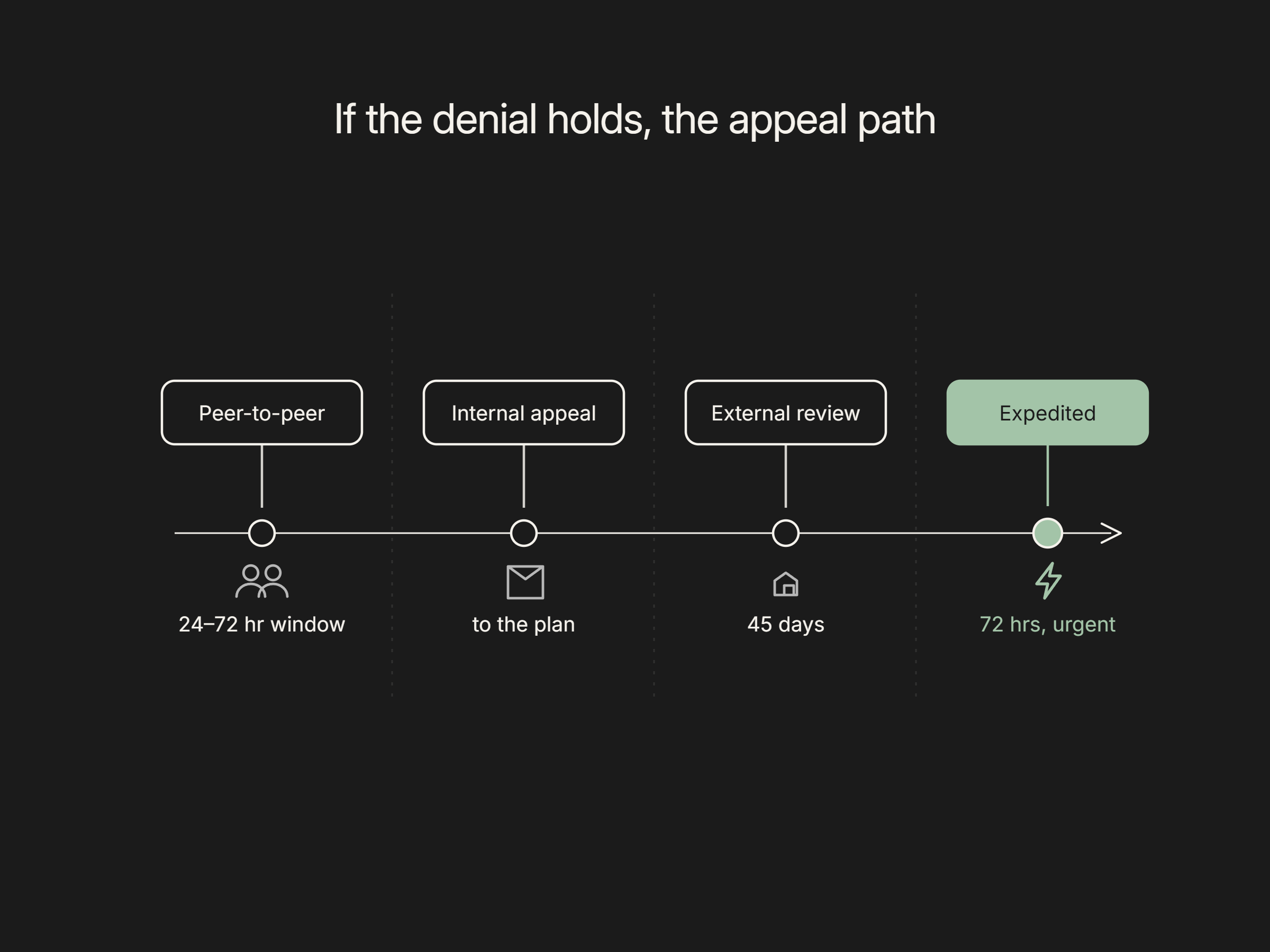
If the peer-to-peer upholds the denial, the next step is the formal appeal process, which is a documented right rather than a favor. You start with an internal appeal to the plan, and if that fails you can request an external review by an independent third party whose decision the insurer must accept, a right explained on the federal external review page. Standard external reviews are decided within 45 days, and expedited reviews for urgent situations within 72 hours. Use what you learned on the P2P call: the reviewer usually names the specific criterion they found unmet, so the appeal should target that gap directly with added documentation. Track deadlines carefully, because each stage has its own filing window and missing one can end the case regardless of its clinical merit.
How Flexbone keeps peer-to-peers and appeals on track
The clinical argument belongs to the physician, but the losses usually happen around it: a denial no one flagged, a call window that closed, an appeal deadline that slipped. Flexbone deploys AI voice, browser, and document agents that catch authorization denials as they post, schedule the peer-to-peer inside the payer's window, assemble the criteria-mapped prep packet, and track appeal deadlines if the denial holds. The approach is audit-first, HIPAA compliant, and SOC 2-aligned, so every step leaves a record.
Stop losing winnable reviews to timing: book a demo, or see how we handle denials management.