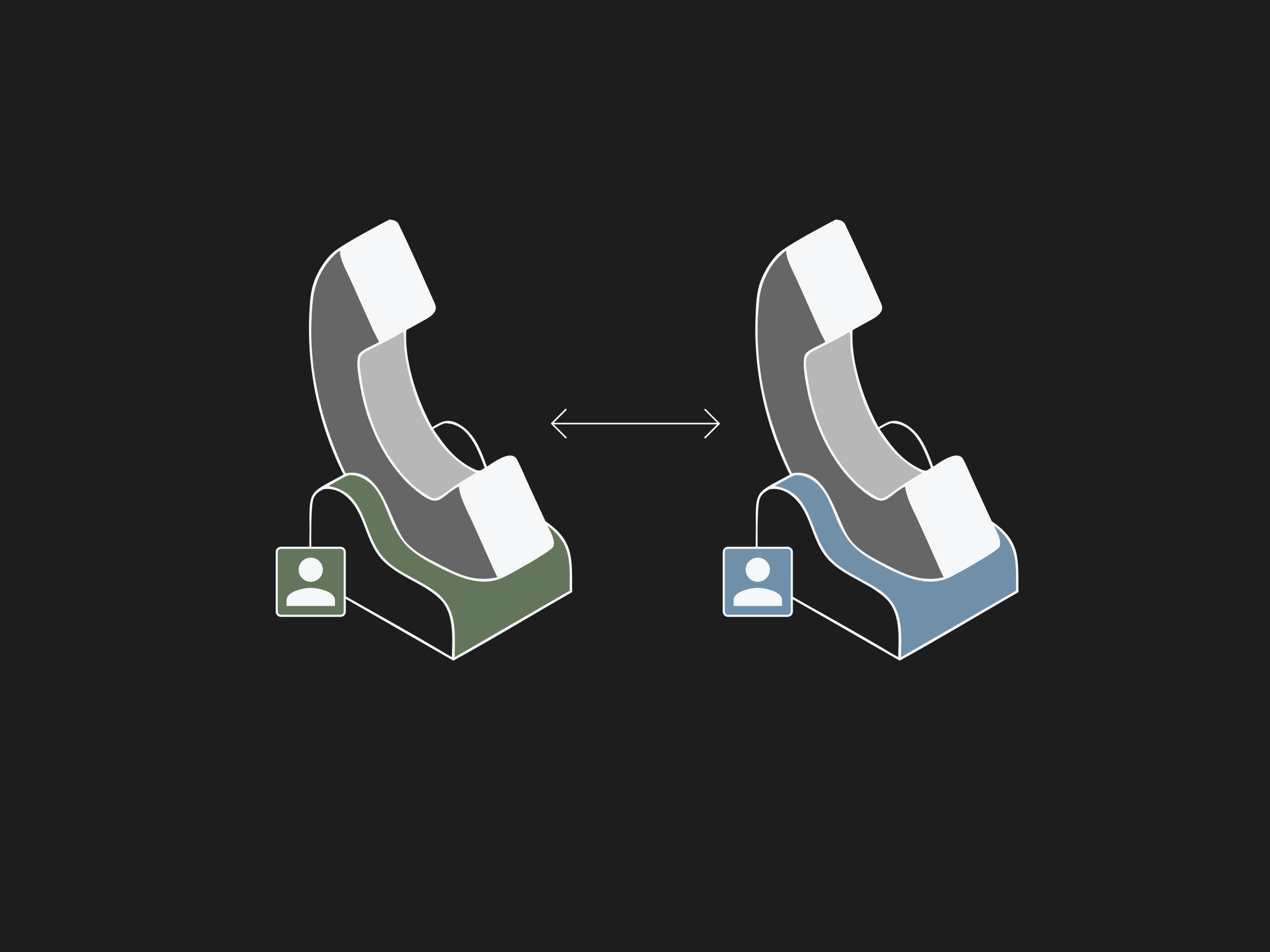
A peer-to-peer review, often called a P2P, is a scheduled phone call in which the physician who ordered a service explains its medical necessity to a reviewing physician at the insurance company, usually to overturn or prevent a prior-authorization denial. It sits inside the prior-authorization process rather than the claim-payment process, so it is about getting a service approved before it happens, not about a bill already sent. The call is short, commonly five to ten minutes, and it is one of the terms the American Medical Association lists among the prior-authorization vocabulary every physician runs into. If the reviewer agrees the service meets the plan's clinical criteria, the authorization is approved. If not, the denial stands and the practice moves to a formal appeal.
What is a peer-to-peer review?
A peer-to-peer review is a direct conversation between the ordering provider and a clinician working for the payer, held to assess whether the requested care is clinically appropriate under the plan's coverage rules. The ordering physician presents the diagnosis, what has already been tried, and why the requested service is warranted, and the payer's reviewer decides whether that meets the plan's medical-necessity criteria. In practice it is a targeted defense of one specific request, not a broad discussion of the patient's care. As a payer-relations guide on navigating peer-to-peer reviews describes, the point is to give the physician a chance to supply clinical context the initial paperwork did not capture, which is often why a request was flagged for review in the first place.
Want this mapped against your own call and claim volume? Book a 30-minute audit
When is a peer-to-peer triggered?
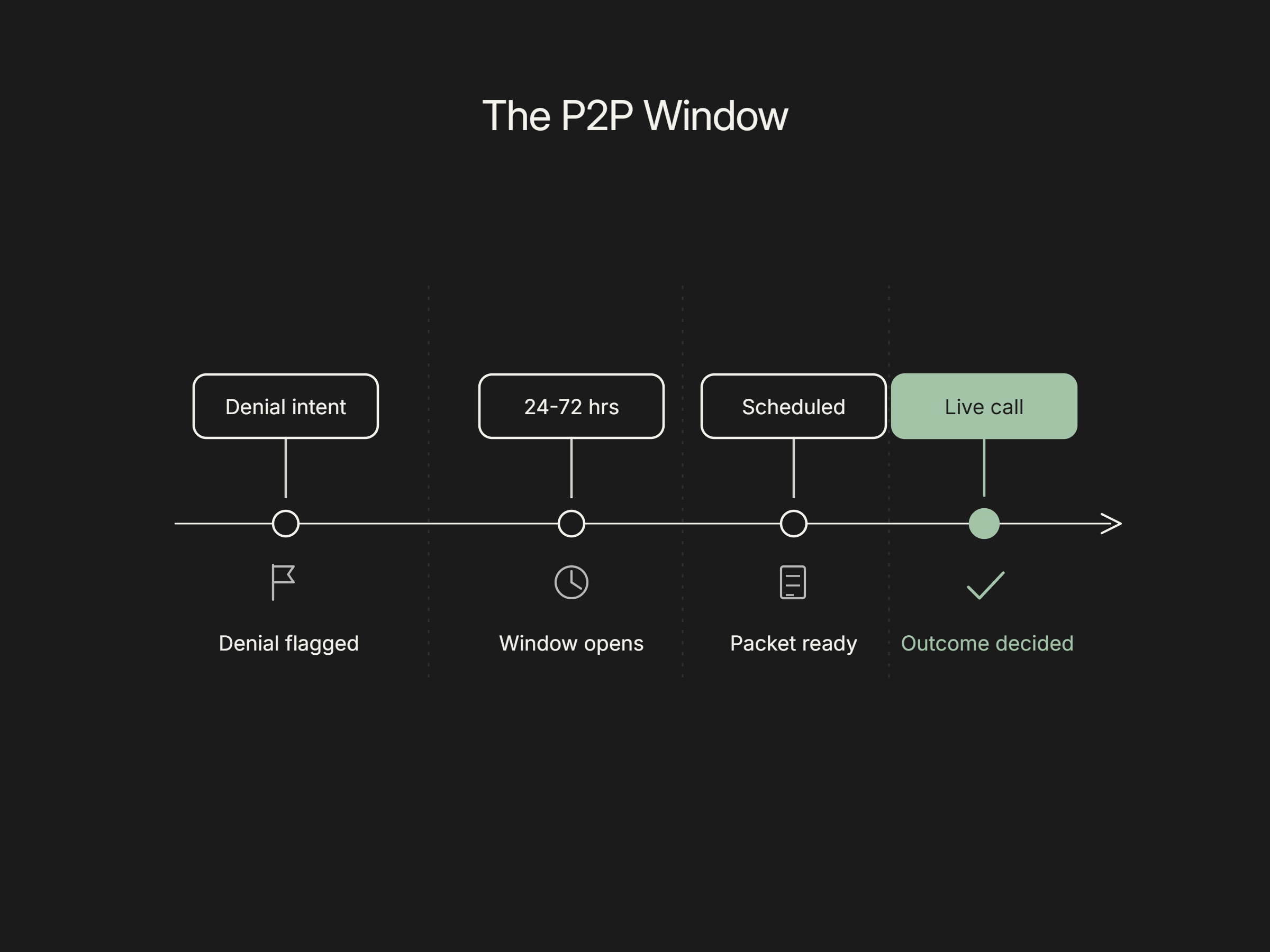
A peer-to-peer is typically triggered when a payer intends to deny a prior-authorization request and offers the ordering physician a chance to make the clinical case before the denial is final. It can also be requested by the practice after an adverse determination, as a step before or alongside a formal appeal. A Medicaid analysis of prior authorization notes that managed-care plans may offer a P2P specifically when there is an intent to deny, to test whether the denial is clinically appropriate, described in this review of prior authorization in Medicaid. The timing is tight in many plans: the window to schedule the call can be as short as 24 to 72 hours from the request, which is part of why these reviews are hard to staff and easy to miss.
The review is clinical, but everything around it is administrative: catching the offer before its window closes, booking the call, and assembling the record. Flexbone handles those steps, including holding the payer line to schedule, and leaves the conversation to the physician. See prior authorization automation.
See what AI can run at your facility. In a 30-minute audit we map the calls, eligibility, and follow-ups Flexbone can take off your team first.
Book an auditWho conducts the peer-to-peer?
On the practice side, the peer-to-peer is ideally conducted by the physician who ordered the service, since that person knows the clinical reasoning firsthand. On the payer side, it is conducted by a medical director or reviewing physician employed or contracted by the plan. The AMA's standard is that this reviewer should be a genuine peer, meaning a physician in the same specialty and licensed in the same state, a position it argues in its case for true peer-to-peer conversations. That standard is not consistently met in practice, and physicians frequently report speaking with reviewers from a different specialty, which is one of the common frustrations with the process. Knowing who you are likely to reach helps you frame the clinical argument at the right level.
How do you prepare for one?
You prepare for a peer-to-peer by treating it as a short, evidence-first conversation rather than a negotiation. Before the call, pull the chart, the specific denial reason, the plan's medical-necessity criteria for the service, and the documentation that shows the patient meets them, including prior treatments that failed. Have a concise clinical summary ready so the physician can lead with the strongest facts in the first minute. The AMA offers practical guidance on making these calls productive in its note on more effective peer-to-peer talks. Because scheduling windows are short, the operational half of preparation matters as much as the clinical half: someone has to catch the denial, book the call slot, and put the right documents in front of the physician on time.
How Flexbone handles the operational side of peer-to-peer
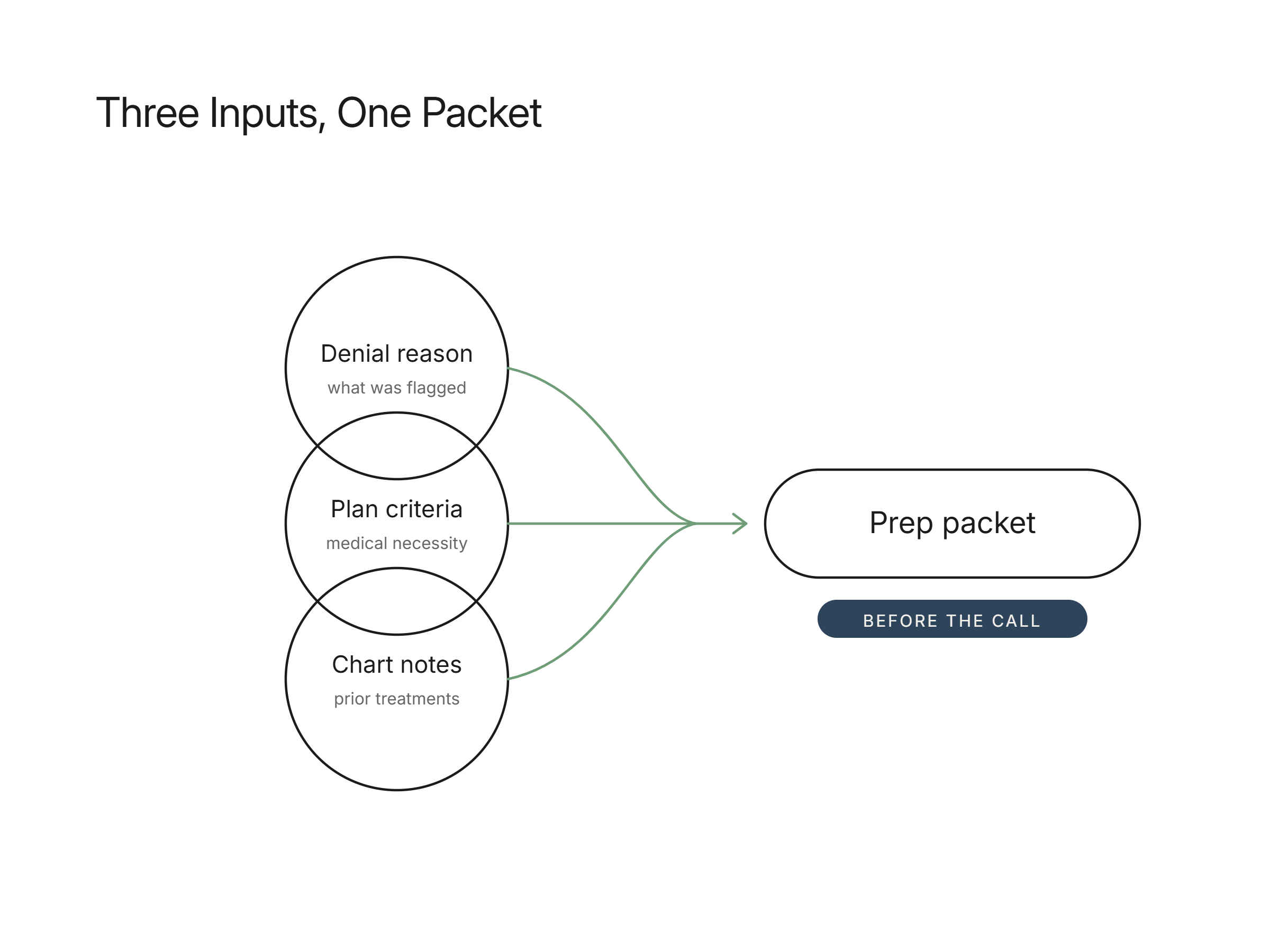
The clinical argument is the physician's job, but most missed peer-to-peers are lost on the operational side: a denial no one saw, a scheduling window that closed, a chart that was not assembled in time. Flexbone deploys AI voice, browser, and document agents that watch for authorization denials as they land, schedule the P2P within the payer's window, and assemble the denial reason, plan criteria, and supporting chart notes into a prep packet for the ordering physician. The approach is audit-first, HIPAA compliant, and SOC 2-aligned.
Want to stop missing P2P windows? Book a demo, see how we handle prior authorization automation, or read our guide on how to win a peer-to-peer review.